University of Wisconsin-Madison students who face gaps between their lease dates may see a temporary housing option next year under a proposed pilot program.
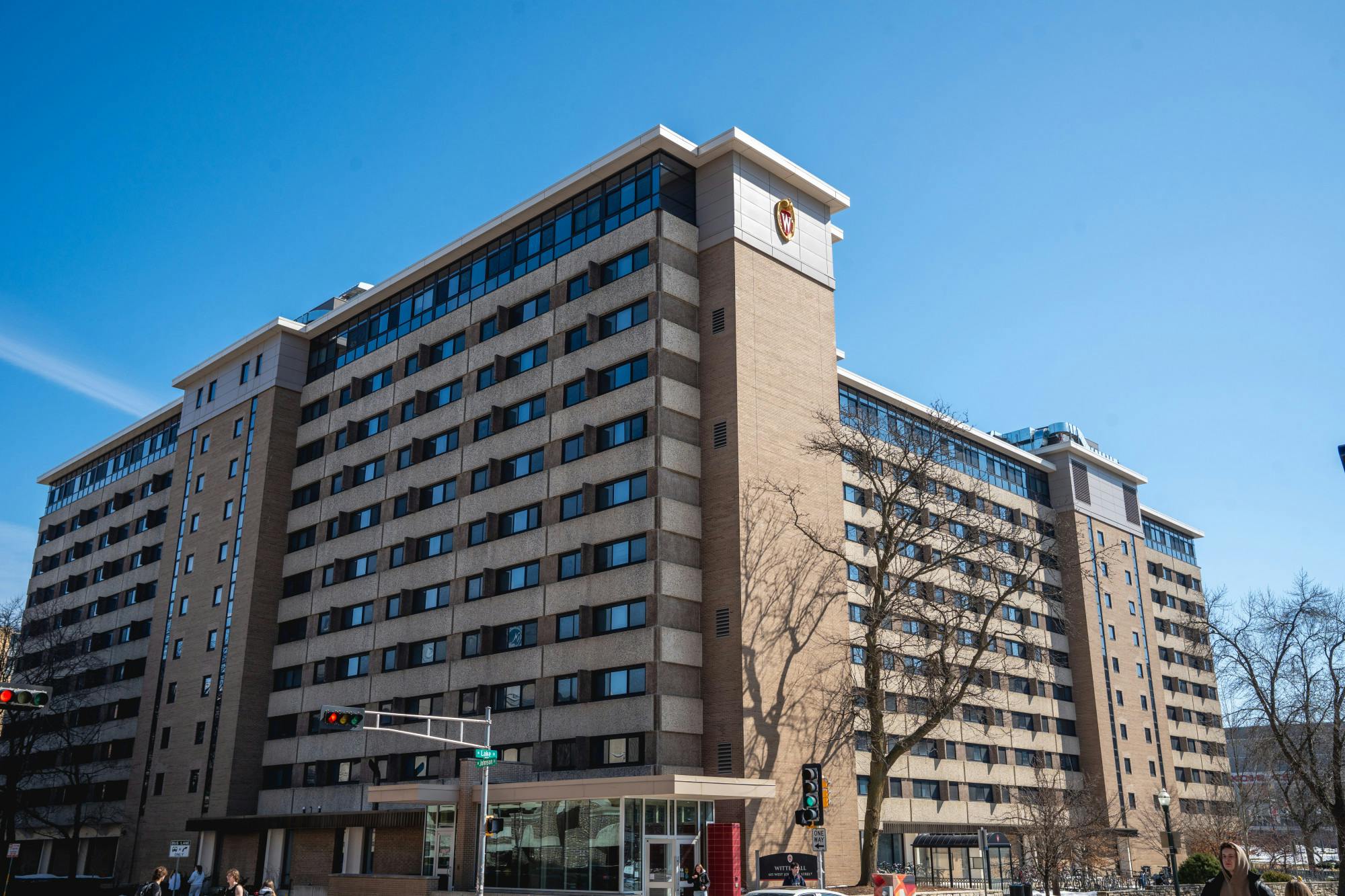
Associated Students of Madison (ASM) is currently working with University Housing and the Dean of Students to plan a “lease-gap” program providing free or low-cost short-term housing for students whose leases end before their next one begins, according to ASM Student Services and Finance Committee Vice Chair Lander Levers. They plan to open a pilot program, likely using open space in university housing, for around 10-15 students sometime between late July and August next year, Levers told The Daily Cardinal.
Levers, who proposed the program, said the idea came from hearing about his friends’ experiences with lease gaps.
“I began thinking about it when I heard some of my out-of-state friends and classmates say that they were going home because they didn’t know what to do in the period between their leases.” Levers said.
Levers said students with lease gaps often face financial and logistical difficulties, including having to move their belongings multiple times and pay for temporary housing and transportation. Levers said that changes in the rental market have made it harder for students to find flexible lease arrangements.
“It used to be that you could sign six-month leases or a year-long lease,” Levers said. “If you wanted to vacate, all you had to do was pay the end of your monthly lease and then you could move.”
“For some students, their families figure it out,” Vice Chancellor for Student Affairs Lori Reesor said at a Sept. 14 university committee meeting. “For other students, it's a serious financial burden.”
The program is still in its planning phase, and Levers said the university is considering offering spaces sometime between late July to mid-August, when most lease gaps occur.
“For example, my lease this year ended on July 31st and then my next lease didn't start until August 15th,” Levers said. “I couldn't just go home, so I couch surfed at numerous places for a couple of weeks, which was such a burden… I couldn't just drive home. I don't have a car. My parents can't come down and get me, and I can't just fly or drive with all my stuff back home.”
Levers told the Cardinal University Housing could possibly provide 10 to 15 beds during the pilot program, although the exact number is still in discussion. Students would need to apply for the program, and could stay for only the days they need.
Levers said he is also interested in providing supplemental services with the program, such as food, clothing and other aid.
The application process, eligibility requirements and the cost of the program are also still being discussed, according to Levers. Levers said he is working alongside Andrew Staff, another ASM representative, to push for a needs-based structure that would make the program free for qualifying students.
Levers and UW-Madison students Matthew Isselman, Martin Dewane and Michael Quong said a lease-gap program would be beneficial to out-of-state students and students without vehicles, who often have a harder time transporting belongings during lease transitions.
Isselman, a junior at UW-Madison, said he had a difficult time moving his belongings last summer.
“I had to move everything like three times,” Isselman told the Cardinal. “I had to move out of my apartment into my brother's house, from my brother's house into a U-Haul and then from the U-Haul to my house.”
Dewane and Quong also experienced lease gaps and said they knew multiple other students with lease gaps. Both students expressed interest in the program.
“I would definitely support it,” Dewane told the Cardinal. “I think that’s a good program to implement.”
Implementing the program could allow students to more easily remain in Madison for summer courses, internships, and other opportunities, potentially providing more revenue for UW-Madison and city services, Levers said.
The official program details are yet to be finalized as conversations continue between the Dean of Students and ASM. Levers said there is currently limited data on how many students are in need of the program, so the pilot would give the university insight into the scale in future years.
“Trying to get a feel for how many students we're talking about will allow us to then think about… how many beds we're really looking to try to offer,” Reesor said. “But my off-the-cuff thought is let's offer something. If we offer 10 beds and five students take them, okay. If we offer 10 beds and 100 students want them, then all of that's going to give us a place to start.”