Q&A: UW-Madison bear expert weighs in on Fat Bear Week
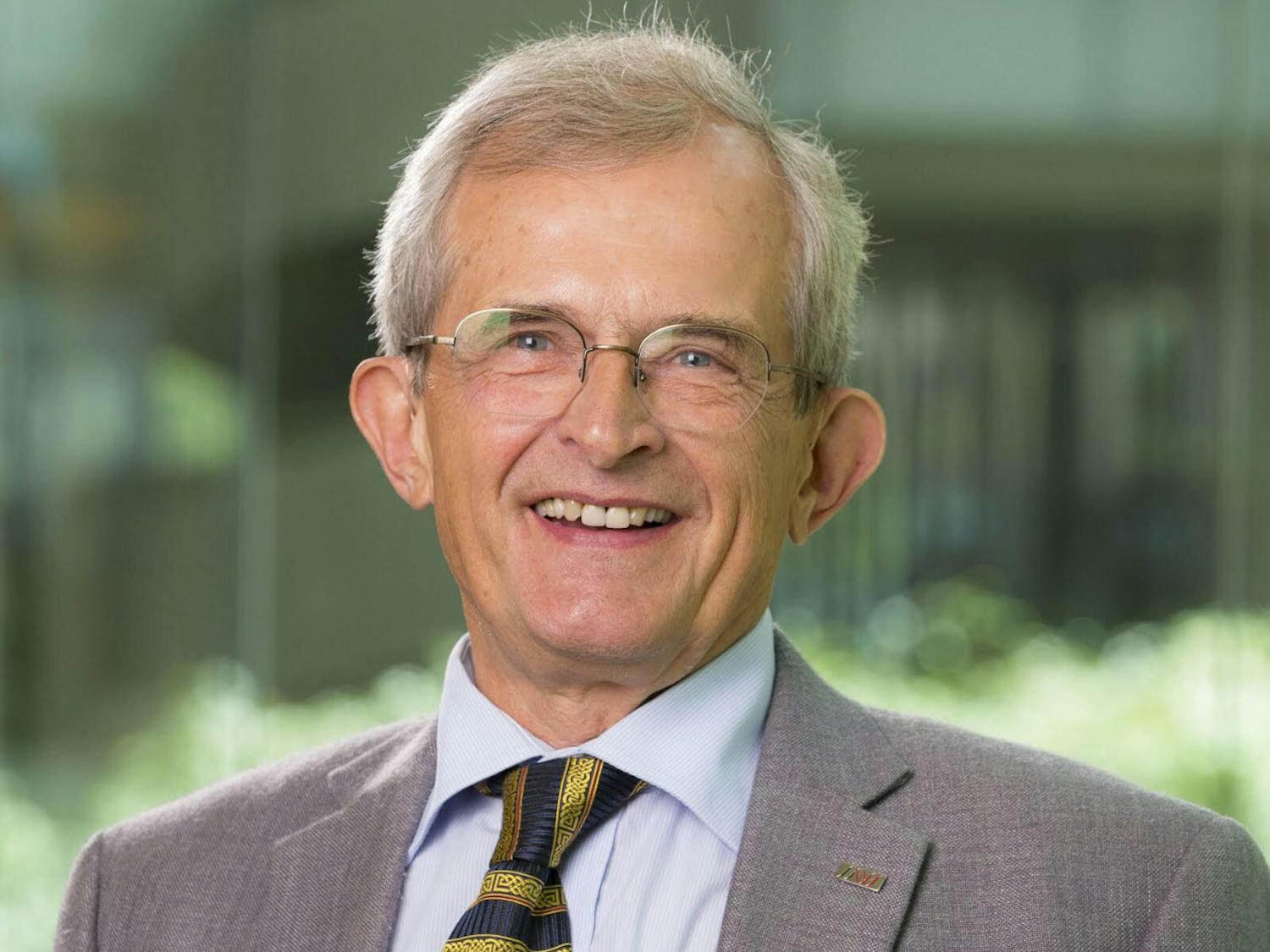
By Elijah Pines | Sep. 22Adrian Treves, the director of the Carnivore Coexistence Lab at the University of Wisconsin-Madison, answers all of your black bear and grizzly bear questions.
Adrian Treves, the director of the Carnivore Coexistence Lab at the University of Wisconsin-Madison, answers all of your black bear and grizzly bear questions.
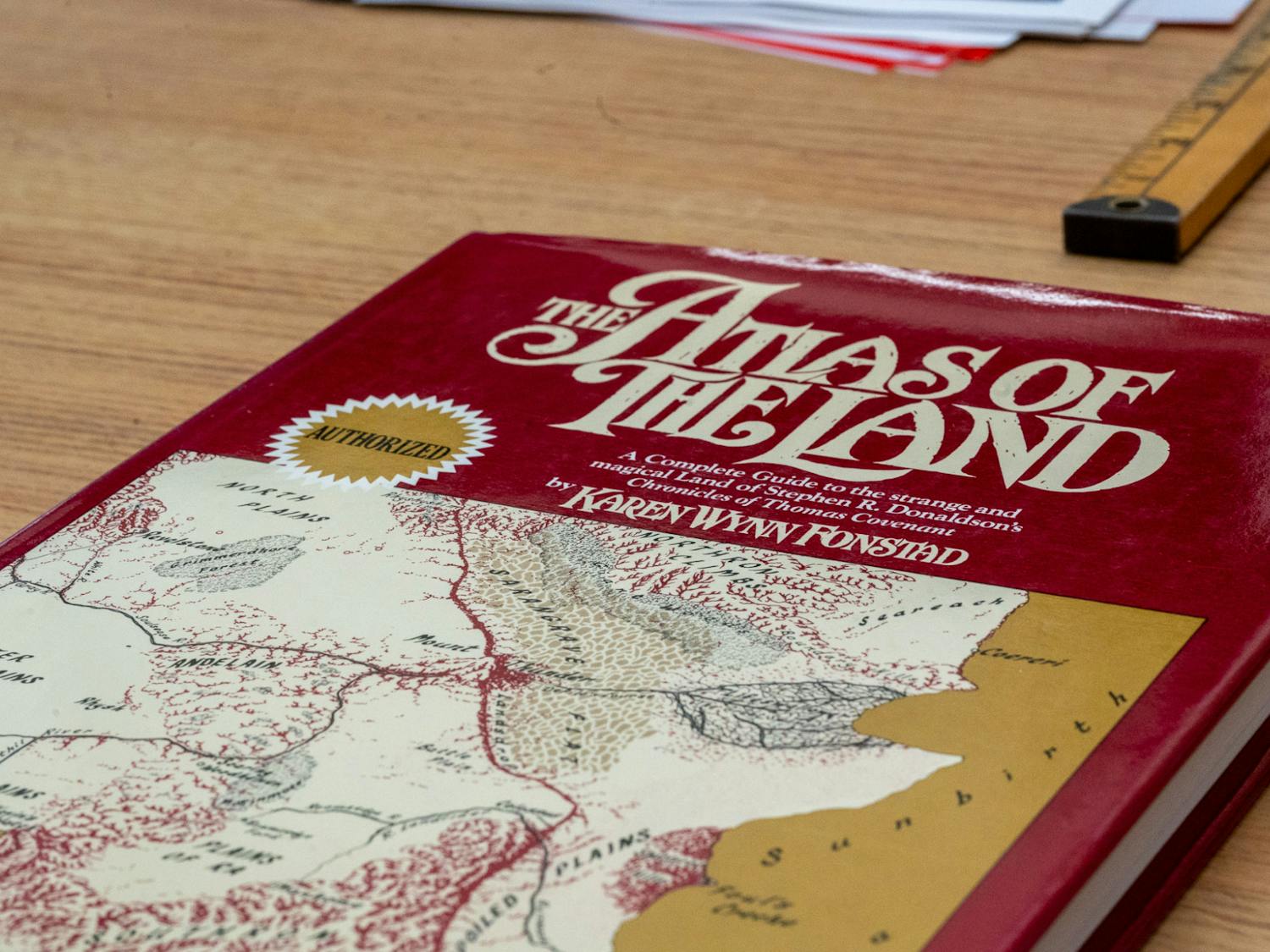
Fonstad spent decades creating maps of fantasy worlds like ‘The Lord of the Rings’ and ‘Dungeons and Dragons’. Fonstad’s son, a University of Wisconsin-Madison alum, showcased her work at the university’s cartography library in July.
Quanyin Hu, a professor in the University of Wisconsin-Madison School of Pharmacy, spoke to The Daily Cardinal about his research into personalized cancer vaccines.
A new CDC report finds lone star ticks, southern pests whose bites can cause a severe meat allergy called alpha-gal syndrome, have an established population in Dane County.
Local animal rights group Dane4Dogs and Ridglan Farms, a Wisconsin company breeding beagles for scientific research, are tied up in a legal battle, but the history between the two organizations goes back much further than that.
A professor and two students from UW-Madison, along with a professor from San Francisco State University, created a cookbook showcasing the cultural diversity of scientists with recipes from around the world.
Professor James Pikul sat down with The Daily Cardinal to discuss his recent paper introducing new biology-inspired battery designs, like robot “blood,” that could improve robot energy density to the level of animals.
Scientists at the NSF-DOE Vera C. Rubin Observatory in Chile, including some from the University of Wisconsin-Madison, broke ground with new, high-definition images of the universe released in June.
University of Wisconsin-Madison agriculture and economics professor Chuck Nicholson explained why the Trump administration’s recent tariffs will lower the price of milk while slashing incomes for American dairy farms, harshly impacting Wisconsin’s dairy industry.
James Dahlberg’s screening device has been used by over 19 million patients, detecting 623,000 cancers in the past decade.
The Zoological Museum in Noland Hall supports research and learning, but funding struggles limit potential for education and public outreach.
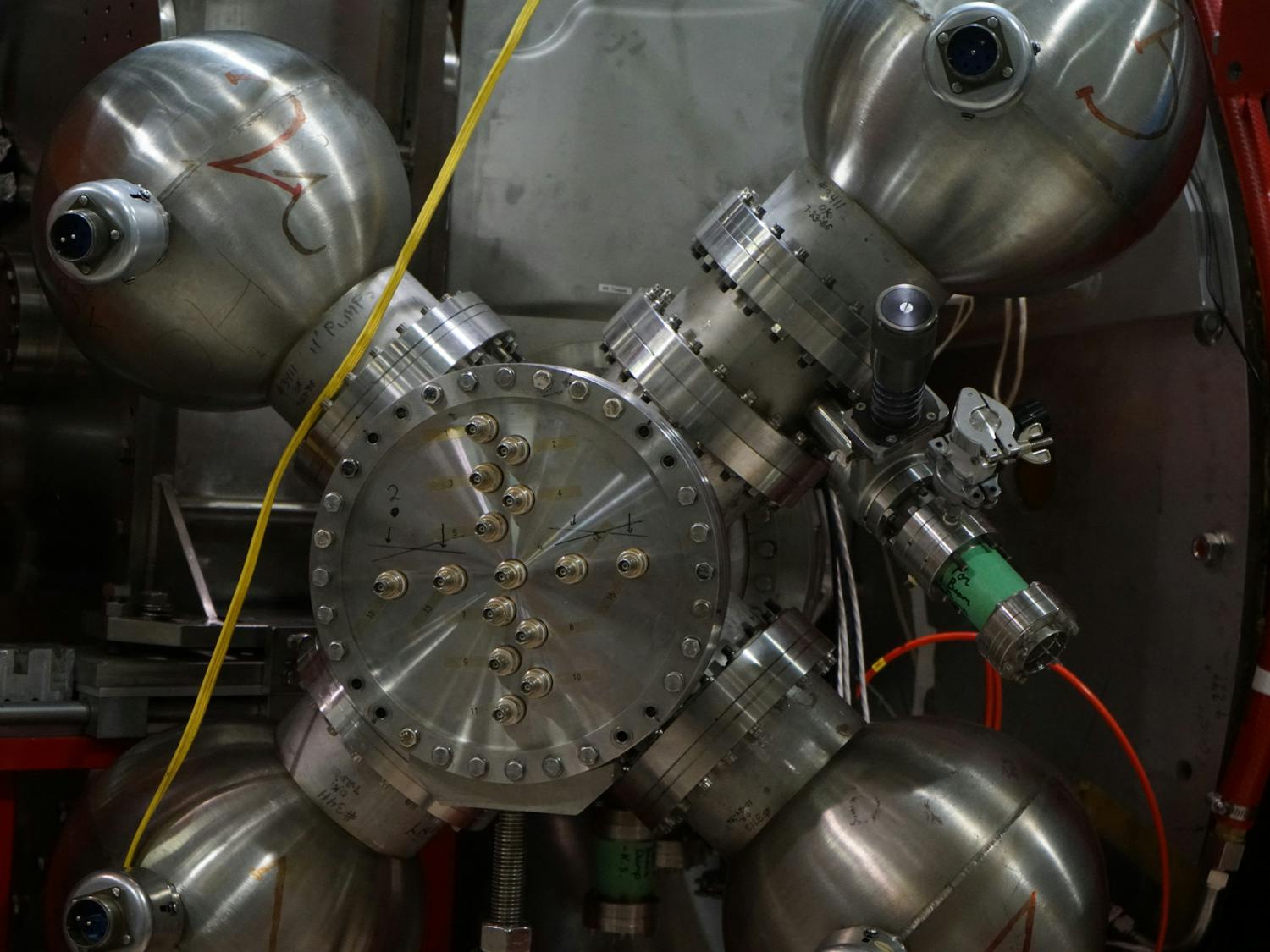
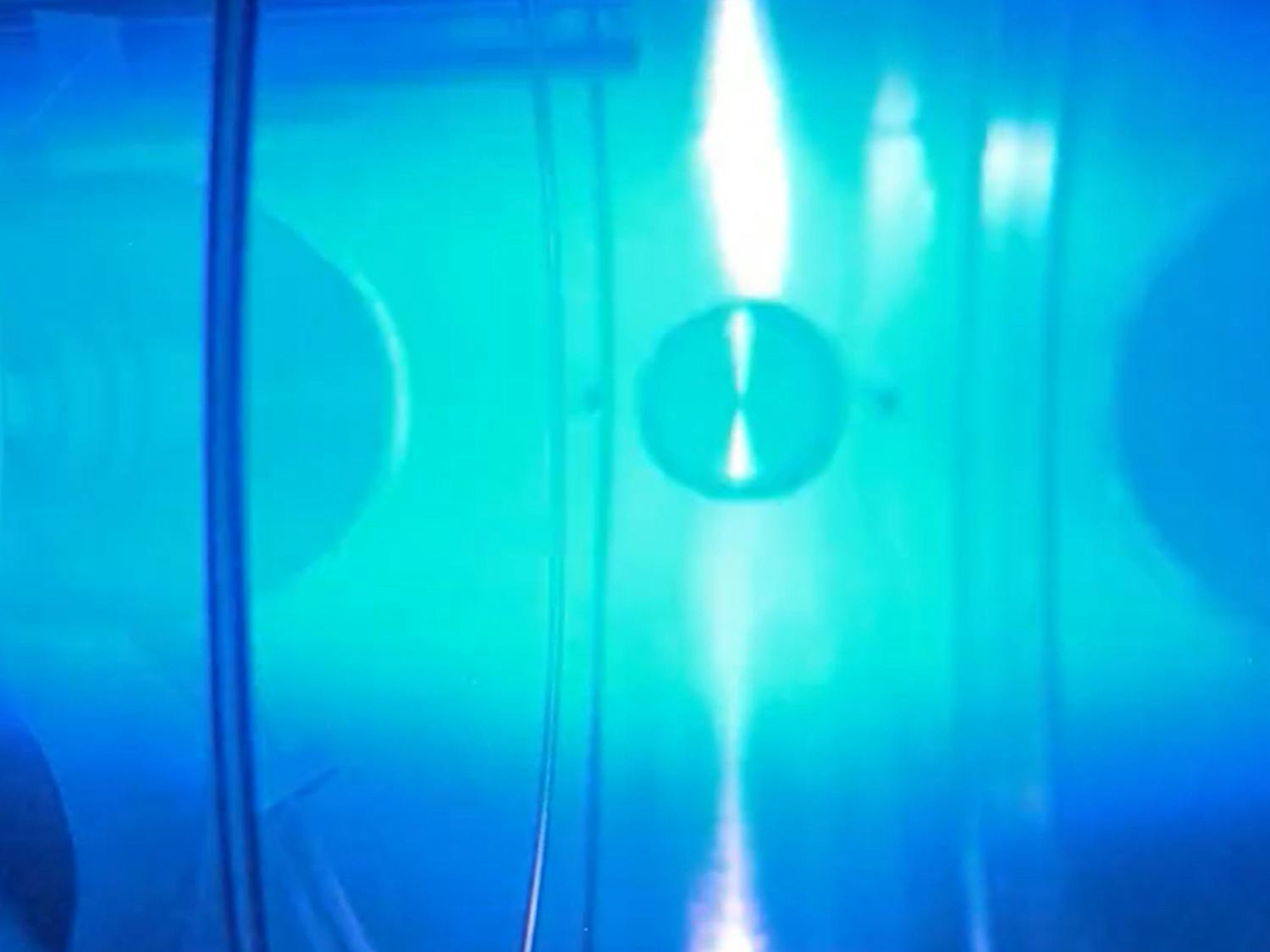
Fusion energy startup Realta Fusion, a University of Wisconsin-Madison partner, announced they are moving into the next phase of their plan to build nuclear fusion devices for real-world deployment.
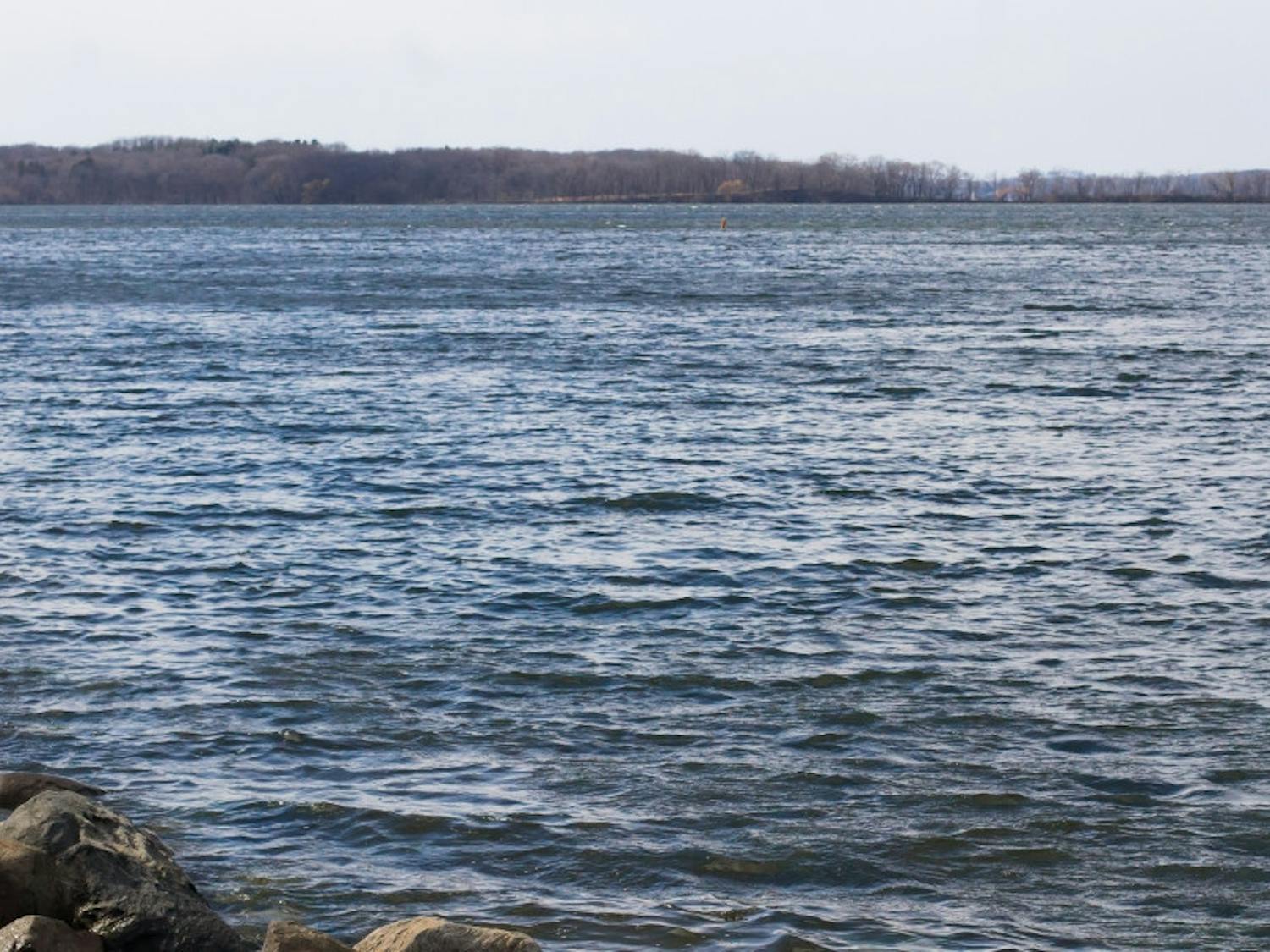
The Clean Lakes Energy Alliance released their 2024 State of the Lakes report last week, citing increased phosphorus levels and diminished clarity in Madison lakes.
Adam Riess, winner of the Nobel Prize in Physics, discussed how his research rewrote the fundamental story of the universe.
Companies and stakeholders discussed the importance of nuclear fusion at the Great Lakes Fusion Energy Summit and announced a new Midwest alliance aiming to accelerate development.
Department of Electrical and Computer Engineering Professor Line Roald, who studies electric power grids and the integration of sustainable energy, spoke with The Daily Cardinal about her research.
Sighted 20 miles from the Wisconsin border, the cubs give insight into Wisconsin population levels.
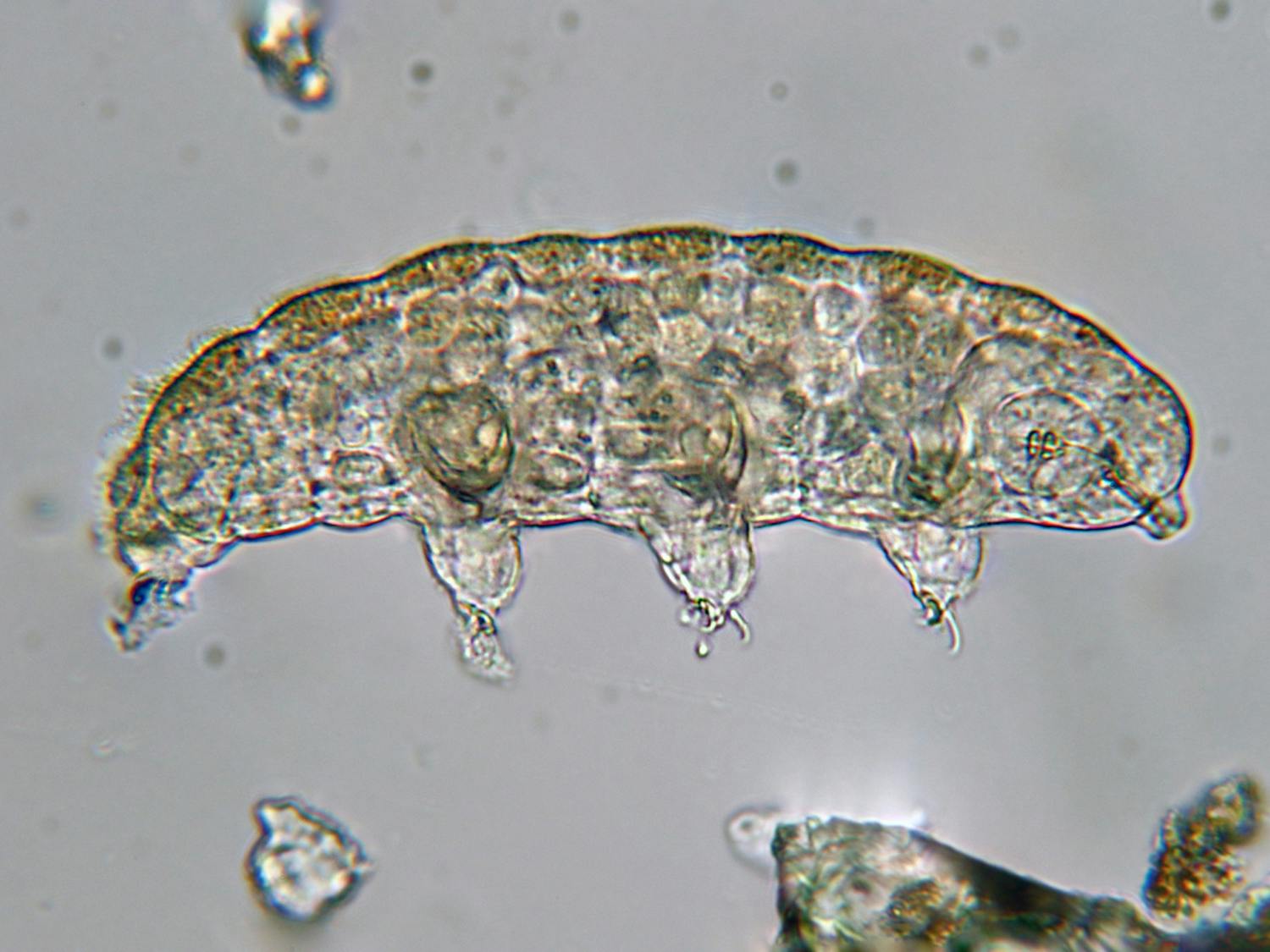
These grain-sized organisms can survive extreme conditions, and they may have implications for cancer research.
The hearing analyzed the environmental and economic impacts of the changes, discussed minor technical changes and explained the science behind regulating PFAS.
Farley Center is one of many organizations home to Latin American and Hmong farmers who associate the variety of vegetables to their culture.